---
title: "Intimate cleansing: 5 mistakes to avoid for a more respectful, mindful hygiene routine"
description: Scopri i 5 errori più comuni nella detersione intima e come evitarli per proteggere equilibrio, comfort e salute ogni giorno. Consigli pratici per un’igiene naturale e sicura.
image: https://blog.lasaponaria.it/hubfs/Heading%20(18).jpg
---
- **Shipping in Europe and 1 free sample in each order**
EN
- [IT](https://www.lasaponaria.it)
- [EN](https://www.la-saponaria.com)
- [ES](https://www.lasaponaria.es/)
# [](https://www.la-saponaria.com/)
*clear*
Contact Us
- Call us! [**39 0721 911 004**](tel:390721911004)
- Write to [info@lasaponaria.it](mailto:info@lasaponaria.it)
- Whatsapp [**377 38 44 777**](https://api.whatsapp.com/send?phone=3773844777)
- [Become a reseller](https://www.la-saponaria.com/become-resellers)
- [Test and E-book](https://www.la-saponaria.com/test-and-e-book)
- [Location and contacts](https://www.la-saponaria.com/contacts)
[Store locator](https://www.la-saponaria.com/store-locator)
[Your profile](https://www.la-saponaria.com/my-account)
[View Cart](https://www.la-saponaria.com/cart?action=show)
Menu
- Menu
Back
- [About us](https://www.la-saponaria.com/about-us)
- - space
- - [HISTORY](https://www.la-saponaria.com/our-history)
[ HISTORY](https://www.la-saponaria.com/our-history)
- - [TEAM](https://www.la-saponaria.com/team)
[ TEAM](https://www.la-saponaria.com/team)
- - PHILOSOPHY
[ PHILOSOPHY](https://www.la-saponaria.com/philosophy)
- - NATURAL COSMETICS
[ NATURAL COSMETICS](https://blog.lasaponaria.it/natural-cosmetics)
- - FLAGSHIP STORES
[ FLAGSHIP STORES](https://www.la-saponaria.com/biostorie-flagship-stores)
- [Sustainability](https://www.la-saponaria.com/sustainability)
- - space
- - ETHICAL CHAIN
[ ETHICAL CHAIN](https://www.la-saponaria.com/fair-and-ethical-supply-chain)
- - SUSTAINABLE PACKAGING
[ SUSTAINABLE PACKAGING](https://www.la-saponaria.com/sustainable-packaging-)
- - SUSTAINABILITY IN THE COMPANY
[ SUSTAINABILITY IN THE COMPANY](https://www.la-saponaria.com/sustainability-in-the-company)
- - Supported projects
[SUPPORTED PROJECTS](https://www.la-saponaria.com/supported-projects)
- NOTICES AND AWARDS
[NOTICES AND AWARDS](https://www.la-saponaria.com/notices-and-awards-)
- [Organic cosmetics](https://www.la-saponaria.com/organic-cosmetics)
- - space
- - [SKIN CARE](https://www.la-saponaria.com/skin-care)
- [Cleansers and make-up removers](https://www.la-saponaria.com/cleansers-and-make-up-removers)
- [Face creams](https://www.la-saponaria.com/face-creams)
- [Hydrolats and toners](https://www.la-saponaria.com/hydrolats-and-toners)
- [Face serums and eye contour](https://www.la-saponaria.com/face-serums-and-eye-contour)
- [Face masks](https://www.la-saponaria.com/face-masks)
- [Face scrubs](https://www.la-saponaria.com/face-scrubs)
- [Lip care](https://www.la-saponaria.com/lip-care)
- [BB Creams](https://www.la-saponaria.com/bb-creams)
- [HAIR CARE](https://www.la-saponaria.com/hair-care)
- [Hair conditioners](https://www.la-saponaria.com/hair-conditioner)
- [Hair masks](https://www.la-saponaria.com/hair-masks)
- [Plant-based hair dye](https://www.la-saponaria.com/plant-based-hair-dye)
- [Shampoos](https://www.la-saponaria.com/shampoos)
- [Solid shampoo and conditioner](https://www.la-saponaria.com/solid-shampoo-and-conditioner)
- [Styling and treatments](https://www.la-saponaria.com/styling-and-treatments)
- - [BODY CARE](https://www.la-saponaria.com/body-care)
- [Hands and nails creams](https://www.la-saponaria.com/hands-and-nails-creams)
- [Hand soaps](https://www.la-saponaria.com/hand-soaps)
- [Officinal balms](https://www.la-saponaria.com/officinal-balms)
- [Stretch marks](https://www.la-saponaria.com/stretch-marks)
- [Cellulite](https://www.la-saponaria.com/cellulite)
- [Body oils](https://www.la-saponaria.com/body-oils)
- [Body creams](https://www.la-saponaria.com/body-creams)
- [Body scrubs](https://www.la-saponaria.com/body-scrubs)
- [Deodorants](https://www.la-saponaria.com/deodorants)
- [Body washes and cleansers](https://www.la-saponaria.com/body-washes-and-cleansers)
- [HYDROLATES](https://www.la-saponaria.com/hydrolates)
- [Hydrolates](https://www.la-saponaria.com/hydrolates)
- [BABY CARE](https://www.la-saponaria.com/baby-care)
- [Diaper change](https://www.la-saponaria.com/diaper-change)
- [Lotions and oils](https://www.la-saponaria.com/lotions-and-oils)
- [Skin, body & hair lotions](https://www.la-saponaria.com/skin-body-hair-lotions)
- - [SOLID AND PLASTIC FREE COSMETICS](https://www.la-saponaria.com/solid-and-plastic-free-cosmetics)
- [Solid conditioners and shampoos](https://www.la-saponaria.com/solid-conditioners-and-shampoos)
- [Solid cleansers and make up removers](https://www.la-saponaria.com/solid-cleansers-and-make-up-removers)
- [Plastic free masks and scrubs](https://www.la-saponaria.com/plastic-free-masks-and-scrubs)
- [Natural soaps](https://www.la-saponaria.com/natural-soaps)
- [Lotions and creams](https://www.la-saponaria.com/lotions-and-creams)
- [Plastic free accessories](https://www.la-saponaria.com/plastic-free-accessories)
- [Powder cleansers](https://www.la-saponaria.com/powder-cleansers)
- [MEN'S CARE](https://www.la-saponaria.com/men-s-care)
- [Body care](https://www.la-saponaria.com/body-care-men)
- [Hair care](https://www.la-saponaria.com/hair-care-men)
- [Shaving and skin care](https://www.la-saponaria.com/shaving-and-skin-care)
- - [ORAL CARE](https://www.la-saponaria.com/oral-care)
- [Toothpaste](https://www.la-saponaria.com/toothpaste)
- [Mouthwash](https://www.la-saponaria.com/mouthwash)
- [Toothbrush](https://www.la-saponaria.com/toothbrush)
- [SUNCARE/SUMMER](https://www.la-saponaria.com/sun-care-summer)
- [Aftersun](https://www.la-saponaria.com/aftersun)
- [Mosquito repellents](https://www.la-saponaria.com/mosquito-repellents)
- [Sun protection](https://www.la-saponaria.com/sun-protection)
- - [YOUR NEEDS](https://www.la-saponaria.com/your-needs)
[ your needs](https://www.la-saponaria.com/your-needs)
- Discover the Ecopowder line!
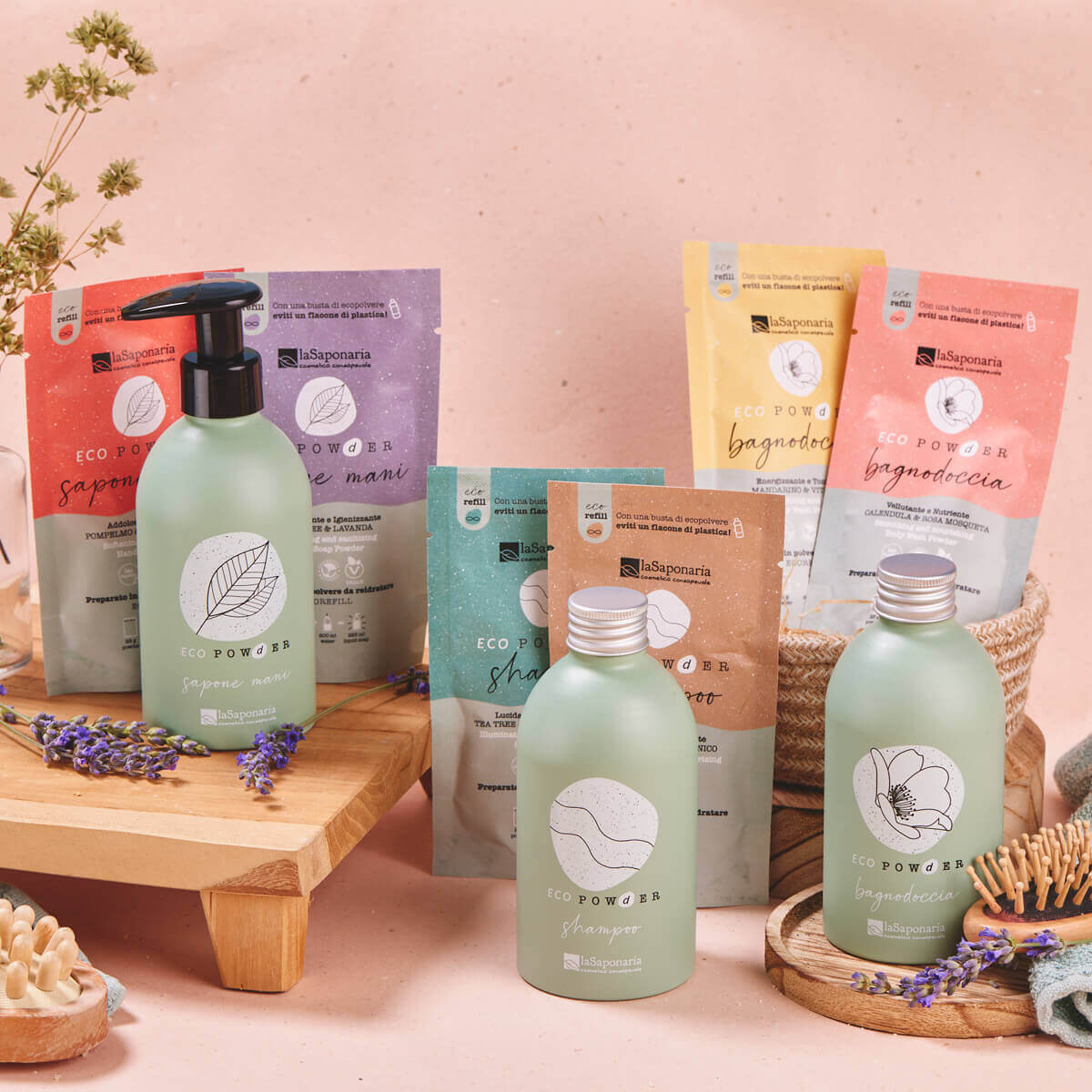
#### [Discover the Ecopowder line!](https://www.la-saponaria.com/powder-cleansers)
- [PROMOTIONS](https://www.la-saponaria.com/special-offers)
[ PROMOTIONS](https://www.la-saponaria.com/special-offers)
- [GIFT IDEAS](https://www.la-saponaria.com/gift-ideas)
[ GIFT IDEAS](https://www.la-saponaria.com/gift-ideas)
- [DIY cosmetics](https://www.la-saponaria.com/diy-cosmetics)
- - space
- - [DIY COSMETICS KITS](https://www.la-saponaria.com/diy-cosmetics-kits)
[DIY COSMETICS KITS](https://www.la-saponaria.com/diy-cosmetics-kits)
- [FUNCTIONAL AND ACTIVE INGREDIENTS](https://www.la-saponaria.com/functional-and-active-ingredients-)
[FUNCTIONAL AND ACTIVE INGREDIENTS](https://www.la-saponaria.com/functional-and-active-ingredients-)
- - [OILS, BUTTERS AND WAXES](https://www.la-saponaria.com/oils-butters-and-waxes)
[OILS, BUTTERS AND WAXES](https://www.la-saponaria.com/oils-butters-and-waxes)
- [Emulsifers and thickeners](https://www.la-saponaria.com/emulsifers-and-thickeners)
[Emulsifers and thickeners](https://www.la-saponaria.com/emulsifers-and-thickeners)
- - [HYDROLATES](https://www.la-saponaria.com/hydrolates)
[HYDROLATES](https://www.la-saponaria.com/hydrolates)
- [PRESERVATIVES AND SEQUESTRANTS](https://www.la-saponaria.com/preservatives-and-sequestrants)
[PRESERVATIVES AND SEQUESTRANTS](https://www.la-saponaria.com/preservatives-and-sequestrants)
- - [PACKAGING FOR COSMETICS](https://www.la-saponaria.com/packaging-for-cosmetics)
[PACKAGING FOR COSMETICS](https://www.la-saponaria.com/packaging-for-cosmetics)
- PRODUCTION TOOLS
[PRODUCTION TOOLS](https://www.la-saponaria.com/production-tools)
- [DIY RECIPES](https://www.la-saponaria.com/do-it-yourself-recipes)
[DIY RECIPES](https://www.la-saponaria.com/do-it-yourself-recipes)
- - DOWNLOAD THE RECIPES
#### [download the recipes](https://blog.lasaponaria.it/scarica-l-approfondimento-sui-nuovi-prodotti-diy)
- [Collections](https://www.la-saponaria.com/collections)
- - space
- - Constitutional - Face
[Constitutional - Face](https://www.la-saponaria.com/constitutional-face-line)
- Impure Skin - Face
[Impure Skin - Face](https://blog.lasaponaria.it/face-care-impure-skin)
- pure actives - face
[pure actives - face](https://www.la-saponaria.com/pure-actives)
- wonder pop - face
[wonder pop - face](https://www.la-saponaria.com/wonder-pop-solid-face-cosmetics)
- wow - eyes
[wow - eyes](https://www.la-saponaria.com/wow-eyes-line)
- wondermask - face
[wondermask - face](https://www.la-saponaria.com/wondermask-line)
- bbcream - face
[bbcream - face](https://www.la-saponaria.com/bb-cream-like-a-dream)
- argan - face and body
[argan - face and body](https://www.la-saponaria.com/argan-face-and-body-line)
- bio&smile - oral care
[bio&smile - oral care](https://www.la-saponaria.com/oral-care-bio-smile)
- - flaxseed - hair
[flaxseed - hair](https://www.la-saponaria.com/flaxseed-hair-line)
- inner - hair
[inner - hair](https://www.la-saponaria.com/inner-hair-line)
- hennetica - dyes
[hennetica - dyes](https://www.la-saponaria.com/hennetica-plant-based-dyes)
- Solid butters - body
[Solid butters - body](https://www.la-saponaria.com/solid-body-butters-line)
- radici - body
[radici - body](https://www.la-saponaria.com/radici-body-line)
- Stretch marks
[Stretch marks](https://www.la-saponaria.com/stretch-marks-line)
- fitocell - cellulite
[fitocell - cellulite](https://www.la-saponaria.com/fitocell-cellulite-line)
- ecopowder - body
[ecopowder - body](https://www.la-saponaria.com/ecopowder-line)
- - officinal balms
[officinal balms](https://www.la-saponaria.com/line-officinal-balms)
- le albicoccole - babies
[le albicoccole - babies](https://www.la-saponaria.com/le-albicoccole-baby-care-line)
- ‘osolebio - suncare
[osolebio - suncare](https://www.la-saponaria.com/osolebio-suncare-line)
- sativaction - men
[sativaction - men](https://www.la-saponaria.com/sativaction-men-s-line)
- IN&OUT - INTEGRATORI
[IN&OUT - INTEGRATORI](https://www.la-saponaria.com/inout-beauty-supplements-line)
- DIY
[diy](https://www.la-saponaria.com/diy-cosmetics-line)
- - [Eco-Powder Line](https://www.la-saponaria.com/ecopowder-line)
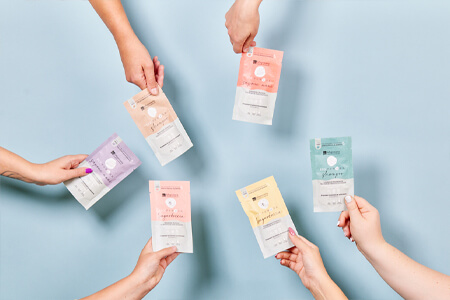
#### [ECO-POWDER LINE](https://www.la-saponaria.com/ecopowder-line)
- PURE ACTIVES
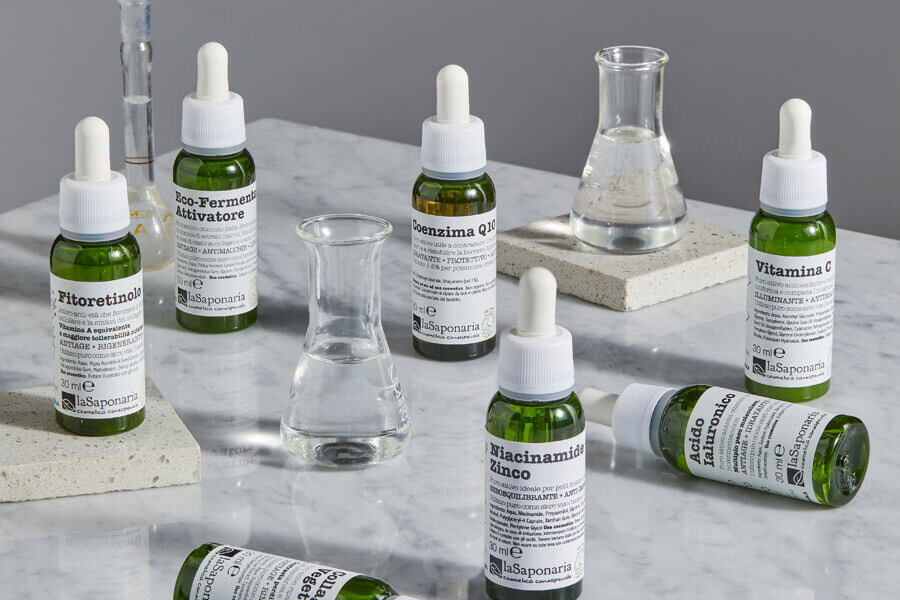
#### [PURE ACTIVES](https://www.la-saponaria.com/pure-actives)
- - EYE LINE - WOW!
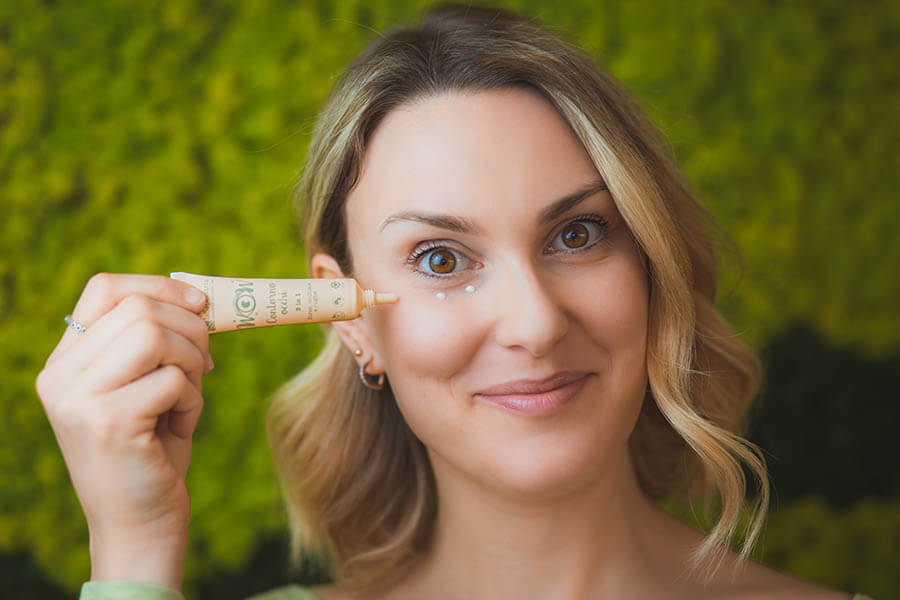
#### [EYE LINE - WOW!](https://www.la-saponaria.com/wow-eyes-line)
- FLAXSEED: Hair Line
#### [FLAXSEED: Hair Line](https://www.la-saponaria.com/flaxseed-hair-line)
- [Organic library](https://www.la-saponaria.com/bio-library)
- - BEAUTYBLOG
[ BEAUTYBLOG](https://blog.lasaponaria.it/insights)
- - GLOSSARY
[ glossary](https://www.la-saponaria.com/glossary)
- - DO-IT-YOURSELF RECIPES
[ DO-IT-YOURSELF RECIPES](https://www.la-saponaria.com/do-it-yourself-recipes)
- - Beauty routine
[ BEAUTY ROUTINE](https://www.la-saponaria.com/beauty-routine)
- - TEST AND E-BOOK
[TEST AND E-BOOK](https://www.la-saponaria.com/test-and-e-book)
- [Resellers](https://www.la-saponaria.com/resellers)
- - space
- - BECOME A RESELLER
[ BECOME A RESELLER](https://www.la-saponaria.com/become-a-la-saponaria-reseller)
- - OPEN A FLAGSHIP STORE
[OPEN A FLAGSHIP STORE](https://www.la-saponaria.com/open-a-la-saponaria-flagship-store)
- ACCOMMODATION FACILITIES
[ACCOMMODATION FACILITIES](https://www.la-saponaria.com/accommodation-facilities)
- - RESELLER NEWS
[RESELLER NEWS](https://www.la-saponaria.com/test-ed-e-book)
- RESELLERS LOGIN
[RESELLERS LOGIN](https://www.la-saponaria.com/login?back=my-account)
- [Resellers](https://www.la-saponaria.com/resellers)
- - RESELLERS RESOURCES
[ RESELLERS RESOURCES](https://www.la-saponaria.com/resellers-resources)
- - OPEN A FLAGSHIP STORE
[OPEN A FLAGSHIP STORE](https://www.la-saponaria.com/open-a-la-saponaria-flagship-store)
- ACCOMMODATION FACILITIES
[ACCOMMODATION FACILITIES](https://www.la-saponaria.com/accommodation-facilities)
- PROMOTIONAL MATERIAL
[PROMOTIONAL MATERIAL](https://www.la-saponaria.com/promotional-material)
- - RESELLERS NEWS
[RESELLERS NEWS](https://blog.lasaponaria.it/rivenditori)
- REGISTER YOUR SHOP
[REGISTER YOUR SHOP](https://www.la-saponaria.com/register-your-shop)
- [Private Label](https://www.la-saponaria.com/private-label)
- [Home](http://www.lasaponaria.it/)
- >
- [The insights of La Saponaria](https://blog.lasaponaria.it/en/insights)
- >
- Intimate cleansing: 5 mistakes to avoid for a more respectful, mindful hygiene routine
# The insights of La Saponaria
# Intimate cleansing: 5 mistakes to avoid for a more respectful, mindful hygiene routine
[.jpg)](https://blog.lasaponaria.it/en/insights/intimate-cleansing-5-mistakes-to-avoid-for-a-more-respectful-mindful-hygiene-routine)
###### Intimate cleansing is a daily habit that plays a key role in everyone’s wellbeing. Yet it’s often treated as just another routine step, almost automatic, without giving it the attention it truly deserves.
The truth is that the intimate area is a complex ecosystem with a very delicate balance, and it can be easily disrupted by behaviors that may seem harmless. Choosing the right product and respecting your body’s natural physiology are therefore essential for both women and men, and can make a real difference to everyday health.
In this article, we’ll explore the 5 most common mistakes in intimate cleansing and explain why avoiding them is essential for taking proper care of your intimate hygiene. You’ll also find practical, easy-to-follow tips you can apply every day to care for your intimate area in a natural, body-respecting way.
Here’s a quick overview of what we’ll cover:
- [Why intimate cleansing is important](https://blog.lasaponaria.it/en/insights/intimate-cleansing-5-mistakes-to-avoid-for-a-more-respectful-mindful-hygiene-routine#detersione)
- [**Mistake 1: Using a non-specific or overly harsh cleanser**](https://blog.lasaponaria.it/en/insights/intimate-cleansing-5-mistakes-to-avoid-for-a-more-respectful-mindful-hygiene-routine#aggressivo)
- [**Mistake 2: Washing too often**](https://blog.lasaponaria.it/en/insights/intimate-cleansing-5-mistakes-to-avoid-for-a-more-respectful-mindful-hygiene-routine#spesso)
- [Mistake 3: Not changing panty liners, pads, or tampons frequently enough](https://blog.lasaponaria.it/en/insights/intimate-cleansing-5-mistakes-to-avoid-for-a-more-respectful-mindful-hygiene-routine#assorbente)
- [**Mistake 4: Using too much product or relying on internal douches**](https://blog.lasaponaria.it/en/insights/intimate-cleansing-5-mistakes-to-avoid-for-a-more-respectful-mindful-hygiene-routine#lavande)
- [**Mistake 5: Wearing synthetic or overly tight underwear**](https://blog.lasaponaria.it/en/insights/intimate-cleansing-5-mistakes-to-avoid-for-a-more-respectful-mindful-hygiene-routine#biancheria)
- [**Practical tips for intimate hygiene**](https://blog.lasaponaria.it/en/insights/intimate-cleansing-5-mistakes-to-avoid-for-a-more-respectful-mindful-hygiene-routine#consigli)
## Why intimate cleansing is important
Taking care of your intimate hygiene means following targeted habits designed to preserve balance, protection, and comfort.
Although men also need specific care for their genital area, male intimate hygiene is often overlooked. This happens because women’s concerns, such as irritation or infections, are more frequent or more noticeable, so they tend to receive greater attention in the media and educational settings. In addition, many men believe they don’t need specific care, assuming that daily body washing is enough or that the genital area has a natural self-cleansing ability that doesn’t require dedicated products.
This misconception can lead to neglecting small but important habits, increasing the risk of discomfort, irritation, or unpleasant odors, especially in situations involving sweating or after physical activity.
.jpg?width=900&height=600&name=Heading%20(19).jpg)
The goals of proper intimate cleansing, for both women and men, are clear and essential for the wellbeing of the genital area. Adequate cleansing helps prevent irritation and infections by reducing the growth of bacteria or fungi that can cause discomfort or other issues. At the same time, it helps maintain the natural balance of pH and the mucosa, which are key factors in protecting against external microorganisms. Finally, correct cleansing helps prevent redness, itching, and dryness, preserving daily comfort and health.
Following a few simple daily habits makes it possible to respect the mucosa’s natural physiology and support the body’s existing defense mechanisms, turning intimate cleansing into a caring routine that is effective, safe, and suitable for everyone.
## Mistake 1: Using a non-specific or overly harsh cleanser
Choosing the right intimate cleanser is far more important than many people think, because the genital area is extremely delicate and has its own specific pH that should be respected every day.
One of the most common mistakes is using the same shower gel or soap meant for the rest of the body on intimate areas. Even if these products seem gentle, they are not formulated to respect the physiological pH of the genital area and may disrupt the acidic environment that naturally protects against bacteria and harmful pathogens.
The result of using harsh or unsuitable products is an imbalance in the intimate flora: when the protective barrier is weakened by aggressive ingredients, strong fragrances, or an excess of surfactants, irritation, dryness, and the risk of discomfort or infections increase. It’s important to remember that the intimate area doesn’t need lots of foam to be properly cleansed. In fact, very foamy products often contain agents that can be irritating, especially for more sensitive mucous membranes.
.jpg?width=900&height=600&name=Heading%20(20).jpg)
For this reason, it’s essential to choose an intimate cleanser specifically formulated for intimate hygiene, with gentle ingredients that respect the physiology of the mucosa. Ideally, opt for products with a pH between **4 and 5**, minimal preservatives, very light fragrance (or none at all), and mild surfactants. A good intimate cleanser shouldn’t “clean more”, it should cleanse gently, preserving the natural balance of the bacterial flora and ensuring everyday comfort.
Intimate cleansers specifically developed for this purpose, such as those by **La Saponaria**, are designed to respect the intimate environment thanks to a balanced pH and soothing active ingredients, making them suitable even for the most sensitive mucous membranes.
## Mistake 2: Washing too often
Many people believe the genital area needs frequent or particularly intense cleansing to stay fresh and healthy, but this is a misleading idea. The intimate area is governed by very delicate balances and has natural defense and self-cleansing mechanisms, thanks to the genital microbiota: an ecosystem of microorganisms that protects the internal environment and supports its wellbeing. Washing too often, or using unsuitable products, can disrupt this precious balance, leading to irritation, dryness, and discomfort.
That’s why it’s important to find the right balance, both in how often you cleanse and in the type of product you use. Washing too rarely may not ensure proper hygiene, but washing too frequently can be just as harmful. Under normal conditions, cleansing once a day is more than enough; a second wash can be added only when truly necessary, for example after sports, swimming, or during your period, always choosing ultra-gentle products. If you often feel the need to wash multiple times a day, it may be a sign of irritation, pH imbalance, or wearing non-breathable clothing.
The idea that “the more you wash, the better” is not only false, but can actually have the opposite effect: excessive washing can weaken the skin’s protective barrier, cause micro-lesions, disrupt the microbiota, and may even worsen unpleasant odors and discomfort. Keeping intimate cleansing simple, gentle, and respectful is the best way to care for your intimate wellbeing, every day.
## Mistake 3: Not changing panty liners, pads, or tampons often enough
A very common mistake involves wearing panty liners, sanitary pads, or tampons for too long. Keeping these products on for extended periods creates a warm, humid environment, ideal for bacterial growth, therefore increasing the risk of irritation, itching, and infections such as cystitis or vaginitis.
For this reason, it’s essential to change panty liners and pads at least every four hours and to limit the use of panty liners to when they are truly necessary. During your period, it’s best to choose cotton pads, which allow the skin to breathe and help reduce bacterial overgrowth. The same applies to tampons: it’s important to follow the recommended replacement times and to prefer products made with safe, biocompatible materials.
.jpg?width=900&height=600&name=Heading%20(21).jpg)
Modern and eco-friendly alternatives, such as medical-grade silicone menstrual cups or washable layered cotton period underwear, allow you to maintain intimate hygiene in a more natural way, reducing the risk of irritation and infections. In the same way, it’s best to avoid staying in wet clothing for too long, such as a swimsuit or sweaty gym clothes, as this can create conditions that encourage bacterial growth.
## Mistake 4: Using too much product or relying on internal douches
Another common mistake in intimate hygiene is using internal washes or invasive products, often believed to be more effective for cleaning the vaginal area. In reality, these practices can have the opposite effect and disrupt the natural balance of the mucous membranes. The genital area has its own natural self-cleansing mechanisms: secretions and the internal environment help maintain microbiota balance, protecting against external microorganisms.
For this reason, internal washes are generally not recommended. They can disrupt the natural equilibrium, cause irritation, and increase the risk of infections. The safest and most respectful daily routine is to cleanse only the external area gently, using small amounts of product and avoiding excess that could irritate the skin or alter its natural pH.
## Mistake 5: Wearing synthetic or overly tight underwear
Another often underestimated aspect of intimate hygiene is the underwear and clothing we choose to wear. Synthetic fabrics, tight-fitting, or overly restrictive garments can trap moisture and create an environment that encourages bacterial growth, increasing the risk of irritation or discomfort. That’s why it’s recommended to choose cotton underwear or natural materials such as silk, breathable and gentle on the skin, which help maintain the natural balance of the mucous membranes.
-1.jpg?width=900&height=600&name=Heading%20(18)-1.jpg)
Anyone with sensitivity or skin issues in the genital area should pay extra attention by choosing comfortable, loose-fitting garments made from natural fibers that haven’t been treated with harsh chemicals. It’s also important to wash underwear thoroughly after each use with gentle, fragrance-free detergents to avoid chemical residue and the growth of unwanted microorganisms. Even at night, whenever possible, it’s best to let the skin breathe by avoiding tight clothing. Natural fabrics such as cotton or silk help reduce irritation and discomfort because they allow better breathability and support the intimate area’s physiological balance.
## Practical tips for intimate hygiene
Taking care of your intimate area means respecting the delicate natural balance of both the mucosa and the bacterial flora. Here are a few practical tips to do so effectively:
- **Avoid excessive hair removal:** Full intimate hair removal has become an increasingly popular trend, especially among younger generations, but completely removing pubic hair can have **negative effects** on health. Natural hair plays a **protective role**, helping defend the skin and mucous membranes from pathogenic microorganisms and reducing the risk of irritation, infections, or local inflammation. For those who choose to remove hair, it’s important to use gentle methods, such as specific creams or razors, avoiding overly aggressive procedures that could damage sensitive skin..
- **Choose intimate cleansers with the right pH:** The genital area has a delicate balance that should be respected. Using non-specific, harsh, or heavily fragranced products can disrupt this balance and lead to irritation or discomfort. It’s best to choose **gentle formulas, free from fragrance**, with a **balanced pH** specifically designed for intimate hygiene, so they cleanse softly without compromising the natural physiology of the mucosa.
- **Change your underwear every day:** Wearing clean underwear daily helps reduce the build-up of bacteria and keeps the intimate area fresh and dry. Choose **breathable fabrics** such as cotton or silk, and wash garments at higher temperatures whenever possible to eliminate unwanted microorganisms..
- **Avoid fragranced products or intimate deodorants:** Deodorants, scented wipes, or sprays are not necessary and can disrupt the mucosa’s natural balance, causing irritation. It’s also important for women to remember that the vagina has a natural scent—and if you notice unusual changes or strong odors, it’s always best to consult a gynecologist.
- **Dry the intimate area thoroughly after showering:** Moisture encourages bacterial growth, so it’s essential to dry the intimate area carefully after cleansing. Use a cotton towel and gently **pat dry without rubbing**, to avoid irritating the mucosa.
In this article, we explored the main mistakes to avoid during intimate cleansing and shared practical tips to help keep the genital area healthy, protected, and comfortable.
The most important thing to remember is that intimate health isn’t measured by visible cleanliness alone, but by respecting the body’s natural balances and being aware of its needs. Taking care of yourself doesn’t mean chasing trends or myths, it means listening to your body, choosing gentle products, and adopting respectful daily habits. After all, intimate hygiene doesn’t mean “washing more,” but protecting, supporting, and nurturing what nature has already put in place to keep us healthy.

### Written by Simona
She is La Saponaria’s digital writer: always juggling a newsletter to send and a blog article to publish, she lovingly takes care of our social media channels and our e-commerce.
Facebook
Twitter
Whatsapp
[Mail](mailto:?subject=Intimate%20cleansing:%205%20mistakes%20to%20avoid%20for%20a%20more%20respectful,%20mindful%20hygiene%20routine&body=Check%20out%20this%20site:%20https://blog.lasaponaria.it/en/insights/intimate-cleansing-5-mistakes-to-avoid-for-a-more-respectful-mindful-hygiene-routine)
[What pH should an intimate cleanser have? The complete guide to choosing the right one for every stage of life](https://blog.lasaponaria.it/en/insights/what-ph-should-an-intimate-cleanser-have-the-complete-guide-to-choosing-the-right-one-for-every-stage-of-life)
[The best intimate cleansers for every stage of life: tailored wellbeing](https://blog.lasaponaria.it/en/insights/en/insights/the-best-intimate-cleansers-for-every-stage-of-life-tailored-wellbeing)
Leave a comment
All comments
You might be interested in
### Search the blog
This is a search field with an auto-suggest feature attached.
- There are no suggestions because the search field is empty.
### All the categories
- [Insights (91)](https://blog.lasaponaria.it/en/insights/tag/insights)
- [Skin care (30)](https://blog.lasaponaria.it/en/insights/tag/skin-care)
- [Hair care (29)](https://blog.lasaponaria.it/en/insights/tag/hair-care)
- [Body care (13)](https://blog.lasaponaria.it/en/insights/tag/body-care)
- [Beauty routine (11)](https://blog.lasaponaria.it/en/insights/tag/beauty-routine)
- [News (11)](https://blog.lasaponaria.it/en/insights/tag/news)
- [Cura del corpo (8)](https://blog.lasaponaria.it/en/insights/tag/cura-del-corpo)
- [Solari (7)](https://blog.lasaponaria.it/en/insights/tag/solari)
- [Facial Care (6)](https://blog.lasaponaria.it/en/insights/tag/facial-care)
- [Zero waste (6)](https://blog.lasaponaria.it/en/insights/tag/zero-waste)
- [fragrance mists (6)](https://blog.lasaponaria.it/en/insights/tag/fragrance-mists)
- [Cura dei capelli (5)](https://blog.lasaponaria.it/en/insights/tag/cura-dei-capelli)
- [Cura del viso (5)](https://blog.lasaponaria.it/en/insights/tag/cura-del-viso)
- [Guide to ingredients (5)](https://blog.lasaponaria.it/en/insights/tag/guide-to-ingredients)
- [Guida agli ingredienti (4)](https://blog.lasaponaria.it/en/insights/tag/guida-agli-ingredienti)
- [Hair Scalp (4)](https://blog.lasaponaria.it/en/insights/tag/hair-scalp)
- [Natural Make-Up (4)](https://blog.lasaponaria.it/en/insights/tag/natural-make-up)
- [Plastic free (4)](https://blog.lasaponaria.it/en/insights/tag/plastic-free)
- [Ingredients guide (3)](https://blog.lasaponaria.it/en/insights/tag/ingredients-guide)
- [Pure Actives (3)](https://blog.lasaponaria.it/en/insights/tag/pure-actives)
- [Solar (3)](https://blog.lasaponaria.it/en/insights/tag/solar)
- [White Hair (2)](https://blog.lasaponaria.it/en/insights/tag/white-hair)
- [sunscreen (2)](https://blog.lasaponaria.it/en/insights/tag/sunscreen)
- [Ingredient guide (1)](https://blog.lasaponaria.it/en/insights/tag/ingredient-guide)
- [Massage (1)](https://blog.lasaponaria.it/en/insights/tag/massage)
- [Mature skin (1)](https://blog.lasaponaria.it/en/insights/tag/mature-skin)
- [Natural dyes and henna (1)](https://blog.lasaponaria.it/en/insights/tag/natural-dyes-and-henna)
- [Pregnancy (1)](https://blog.lasaponaria.it/en/insights/tag/pregnancy)
- [Solid cosmetic (1)](https://blog.lasaponaria.it/en/insights/tag/solid-cosmetic)
- [Tinte naturali e henné (1)](https://blog.lasaponaria.it/en/insights/tag/tinte-naturali-e-henné)
- [dandruff (1)](https://blog.lasaponaria.it/en/insights/tag/dandruff)
Find out more
### the most read articles
[](https://blog.lasaponaria.it/en/insights/acid-rinse-what-it-is-and-how-to-do-it-to-have-shiny-and-tidy-hair)
## [Acid rinse: what it is and how to do it to have glowing and tidy hair](https://blog.lasaponaria.it/en/insights/acid-rinse-what-it-is-and-how-to-do-it-to-have-shiny-and-tidy-hair)
[](https://blog.lasaponaria.it/en/insights/inci-lists-how-to-read-them-and-all-the-useful-tools-to-decipher-them)
## [INCI lists: how to read them and all the useful tools to decipher them](https://blog.lasaponaria.it/en/insights/inci-lists-how-to-read-them-and-all-the-useful-tools-to-decipher-them)
[](https://blog.lasaponaria.it/en/insights/vegetable-keratin-for-strong-shiny-and-frizz-free-hair.-what-is-it-and-how-to-use-it)
## [Vegetable Keratin for strong, shiny, and frizz-free hair. What is it and how to use it?](https://blog.lasaponaria.it/en/insights/vegetable-keratin-for-strong-shiny-and-frizz-free-hair.-what-is-it-and-how-to-use-it)
[](https://blog.lasaponaria.it/en/insights/hennè-and-natural-hair-dye-answers-to-the-most-common-questions)
## [Henna and Natural Hair Dye: Answers to the Most Common Questions](https://blog.lasaponaria.it/en/insights/hennè-and-natural-hair-dye-answers-to-the-most-common-questions)
[](https://blog.lasaponaria.it/en/insights/organic-shampoo-what-does-it-mean-and-how-to-choose-the-best-natural-shampoo-to-suit-your-needs)
## [Organic shampoo: what does it mean and how to choose the best natural shampoo to suit your needs](https://blog.lasaponaria.it/en/insights/organic-shampoo-what-does-it-mean-and-how-to-choose-the-best-natural-shampoo-to-suit-your-needs)
### [Events Laboratories, digital checkups, courses and consultancy: discover the events of the Biostorie single-brand stores!](https://www.la-saponaria.com/biostorie-flagship-stores)
### [Resellers Become a La Saponaria Reseller and get offers and benefits reserved for you.](https://www.la-saponaria.com/become-a-la-saponaria-reseller)
### [Biostorie - Flagship stores Enter our world: open the La Saponaria flagship store in your city!](https://www.la-saponaria.com/biostorie-flagship-stores)
#### Stay updated on events and products.
#### Subscribe to the newsletter and receive a welcome code!
-
-
-
-
-
#### LA SAPONARIA
- [Philosophy](https://www.la-saponaria.com/philosophy)
- [Sustainability](https://www.la-saponaria.com/sustainability)
- [Sustainable packaging](https://www.la-saponaria.com/sustainable-packaging-)
- [Become our Ambassador](https://www.la-saponaria.com/become-our-ambassador)
- [Blog](https://www.la-saponaria.com/beauty-blog)
- [Accessibility Statement](https://www.la-saponaria.com/accessibility-statement)
#### BUSINESS AREA
- [Become a reseller](https://www.la-saponaria.com/become-a-la-saponaria-reseller)
- [Open a flagship store](https://www.la-saponaria.com/open-a-la-saponaria-flagship-store)
- [Private label cosmetics](https://www.la-saponaria.com/private-label)
- [Accommodation facilities](https://www.la-saponaria.com/accommodation-facilities)
- [G.A.S.](https://www.la-saponaria.com/gruppi-di-acquisto-solidale)
#### CERTIFICATIONS





#### ACCOUNT AND ORDERS
- [My account](https://www.la-saponaria.com/login?back=my-account)
- [Promotions](https://www.la-saponaria.com/special-offers)
- [Nearest shop](https://www.la-saponaria.com/store-locator)
- [FAQ](https://www.la-saponaria.com/faq)
- [Quick order](https://www.la-saponaria.com/quick-order)
- [Conditions of sale](https://www.la-saponaria.com/conditions-of-sale)
#### CONTACT US
From Monday to Friday
09:00 - 13:00 | 15:00 - 17:00
[+39 0721 911 004](tel:0390721911004)
[+39 377 38 44 777](tel:0393773844777)
[info@lasaponaria.it](mailto:info@lasaponaria.it)
[Location and contacts](https://www.la-saponaria.com/contact-us)
    

LA SAPONARIA SRL SOCIETÀ BENEFIT - via Dei Trasporti, 3-5 - Pesaro (PU) - P.IVA/C.F. 02394310417 - Capitale sociale € 90.000,00 IV - Iscritto al registro imprese della CCIAA di Pesaro e Urbino - **[Privacy & Cookie Policy](https://www.lasaponaria.it/privacy-policy)**
```json
{
"@context" : "https://schema.org",
"@type" : "BlogPosting",
"author" : {
"@type" : "Person",
"name" : "Simona",
"url" : "https://blog.lasaponaria.it/en/insights/author/simona"
},
"dateModified" : "2026-01-15T14:58:38.130Z",
"datePublished" : "2026-01-15T14:58:38.000Z",
"headline" : "Intimate cleansing: 5 mistakes to avoid for a more respectful, mindful hygiene routine",
"image" : [ "https://blog.lasaponaria.it/hubfs/Heading%20(18).jpg" ],
"mainEntityOfPage" : {
"@id" : "https://blog.lasaponaria.it/en/insights/intimate-cleansing-5-mistakes-to-avoid-for-a-more-respectful-mindful-hygiene-routine",
"@type" : "WebPage"
},
"publisher" : {
"@type" : "Organization",
"logo" : {
"@type" : "ImageObject",
"url" : "https://blog.lasaponaria.it/hubfs/Logo%20La%20Saponaria.jpg"
},
"name" : "La Saponaria srl"
}
}
```