---
title: "Curly hair: a complete guide to a simple, conscious routine"
description: "Curly hair guide: discover a simple and mindful routine with natural ingredients to hydrate, define and care for your curls in a conscious way."
image: https://blog.lasaponaria.it/hubfs/Crema-ravvivaricci-1.jpg
---
- **Shipping in Europe and 1 free sample in each order**
EN
- [IT](https://www.lasaponaria.it)
- [EN](https://www.la-saponaria.com)
- [ES](https://www.lasaponaria.es/)
# [](https://www.la-saponaria.com/)
*clear*
Contact Us
- Call us! [**39 0721 911 004**](tel:390721911004)
- Write to [info@lasaponaria.it](mailto:info@lasaponaria.it)
- Whatsapp [**377 38 44 777**](https://api.whatsapp.com/send?phone=3773844777)
- [Become a reseller](https://www.la-saponaria.com/become-resellers)
- [Test and E-book](https://www.la-saponaria.com/test-and-e-book)
- [Location and contacts](https://www.la-saponaria.com/contacts)
[Store locator](https://www.la-saponaria.com/store-locator)
[Your profile](https://www.la-saponaria.com/my-account)
[View Cart](https://www.la-saponaria.com/cart?action=show)
Menu
- Menu
Back
- [About us](https://www.la-saponaria.com/about-us)
- - space
- - [HISTORY](https://www.la-saponaria.com/our-history)
[ HISTORY](https://www.la-saponaria.com/our-history)
- - [TEAM](https://www.la-saponaria.com/team)
[ TEAM](https://www.la-saponaria.com/team)
- - PHILOSOPHY
[ PHILOSOPHY](https://www.la-saponaria.com/philosophy)
- - NATURAL COSMETICS
[ NATURAL COSMETICS](https://blog.lasaponaria.it/natural-cosmetics)
- - FLAGSHIP STORES
[ FLAGSHIP STORES](https://www.la-saponaria.com/biostorie-flagship-stores)
- [Sustainability](https://www.la-saponaria.com/sustainability)
- - space
- - ETHICAL CHAIN
[ ETHICAL CHAIN](https://www.la-saponaria.com/fair-and-ethical-supply-chain)
- - SUSTAINABLE PACKAGING
[ SUSTAINABLE PACKAGING](https://www.la-saponaria.com/sustainable-packaging-)
- - SUSTAINABILITY IN THE COMPANY
[ SUSTAINABILITY IN THE COMPANY](https://www.la-saponaria.com/sustainability-in-the-company)
- - Supported projects
[SUPPORTED PROJECTS](https://www.la-saponaria.com/supported-projects)
- NOTICES AND AWARDS
[NOTICES AND AWARDS](https://www.la-saponaria.com/notices-and-awards-)
- [Organic cosmetics](https://www.la-saponaria.com/organic-cosmetics)
- - space
- - [SKIN CARE](https://www.la-saponaria.com/skin-care)
- [Cleansers and make-up removers](https://www.la-saponaria.com/cleansers-and-make-up-removers)
- [Face creams](https://www.la-saponaria.com/face-creams)
- [Hydrolats and toners](https://www.la-saponaria.com/hydrolats-and-toners)
- [Face serums and eye contour](https://www.la-saponaria.com/face-serums-and-eye-contour)
- [Face masks](https://www.la-saponaria.com/face-masks)
- [Face scrubs](https://www.la-saponaria.com/face-scrubs)
- [Lip care](https://www.la-saponaria.com/lip-care)
- [BB Creams](https://www.la-saponaria.com/bb-creams)
- [HAIR CARE](https://www.la-saponaria.com/hair-care)
- [Hair conditioners](https://www.la-saponaria.com/hair-conditioner)
- [Hair masks](https://www.la-saponaria.com/hair-masks)
- [Plant-based hair dye](https://www.la-saponaria.com/plant-based-hair-dye)
- [Shampoos](https://www.la-saponaria.com/shampoos)
- [Solid shampoo and conditioner](https://www.la-saponaria.com/solid-shampoo-and-conditioner)
- [Styling and treatments](https://www.la-saponaria.com/styling-and-treatments)
- - [BODY CARE](https://www.la-saponaria.com/body-care)
- [Hands and nails creams](https://www.la-saponaria.com/hands-and-nails-creams)
- [Hand soaps](https://www.la-saponaria.com/hand-soaps)
- [Officinal balms](https://www.la-saponaria.com/officinal-balms)
- [Stretch marks](https://www.la-saponaria.com/stretch-marks)
- [Cellulite](https://www.la-saponaria.com/cellulite)
- [Body oils](https://www.la-saponaria.com/body-oils)
- [Body creams](https://www.la-saponaria.com/body-creams)
- [Body scrubs](https://www.la-saponaria.com/body-scrubs)
- [Deodorants](https://www.la-saponaria.com/deodorants)
- [Body washes and cleansers](https://www.la-saponaria.com/body-washes-and-cleansers)
- [HYDROLATES](https://www.la-saponaria.com/hydrolates)
- [Hydrolates](https://www.la-saponaria.com/hydrolates)
- [BABY CARE](https://www.la-saponaria.com/baby-care)
- [Diaper change](https://www.la-saponaria.com/diaper-change)
- [Lotions and oils](https://www.la-saponaria.com/lotions-and-oils)
- [Skin, body & hair lotions](https://www.la-saponaria.com/skin-body-hair-lotions)
- - [SOLID AND PLASTIC FREE COSMETICS](https://www.la-saponaria.com/solid-and-plastic-free-cosmetics)
- [Solid conditioners and shampoos](https://www.la-saponaria.com/solid-conditioners-and-shampoos)
- [Solid cleansers and make up removers](https://www.la-saponaria.com/solid-cleansers-and-make-up-removers)
- [Plastic free masks and scrubs](https://www.la-saponaria.com/plastic-free-masks-and-scrubs)
- [Natural soaps](https://www.la-saponaria.com/natural-soaps)
- [Lotions and creams](https://www.la-saponaria.com/lotions-and-creams)
- [Plastic free accessories](https://www.la-saponaria.com/plastic-free-accessories)
- [Powder cleansers](https://www.la-saponaria.com/powder-cleansers)
- [MEN'S CARE](https://www.la-saponaria.com/men-s-care)
- [Body care](https://www.la-saponaria.com/body-care-men)
- [Hair care](https://www.la-saponaria.com/hair-care-men)
- [Shaving and skin care](https://www.la-saponaria.com/shaving-and-skin-care)
- - [ORAL CARE](https://www.la-saponaria.com/oral-care)
- [Toothpaste](https://www.la-saponaria.com/toothpaste)
- [Mouthwash](https://www.la-saponaria.com/mouthwash)
- [Toothbrush](https://www.la-saponaria.com/toothbrush)
- [SUNCARE/SUMMER](https://www.la-saponaria.com/sun-care-summer)
- [Aftersun](https://www.la-saponaria.com/aftersun)
- [Mosquito repellents](https://www.la-saponaria.com/mosquito-repellents)
- [Sun protection](https://www.la-saponaria.com/sun-protection)
- - [YOUR NEEDS](https://www.la-saponaria.com/your-needs)
[ your needs](https://www.la-saponaria.com/your-needs)
- Discover the Ecopowder line!
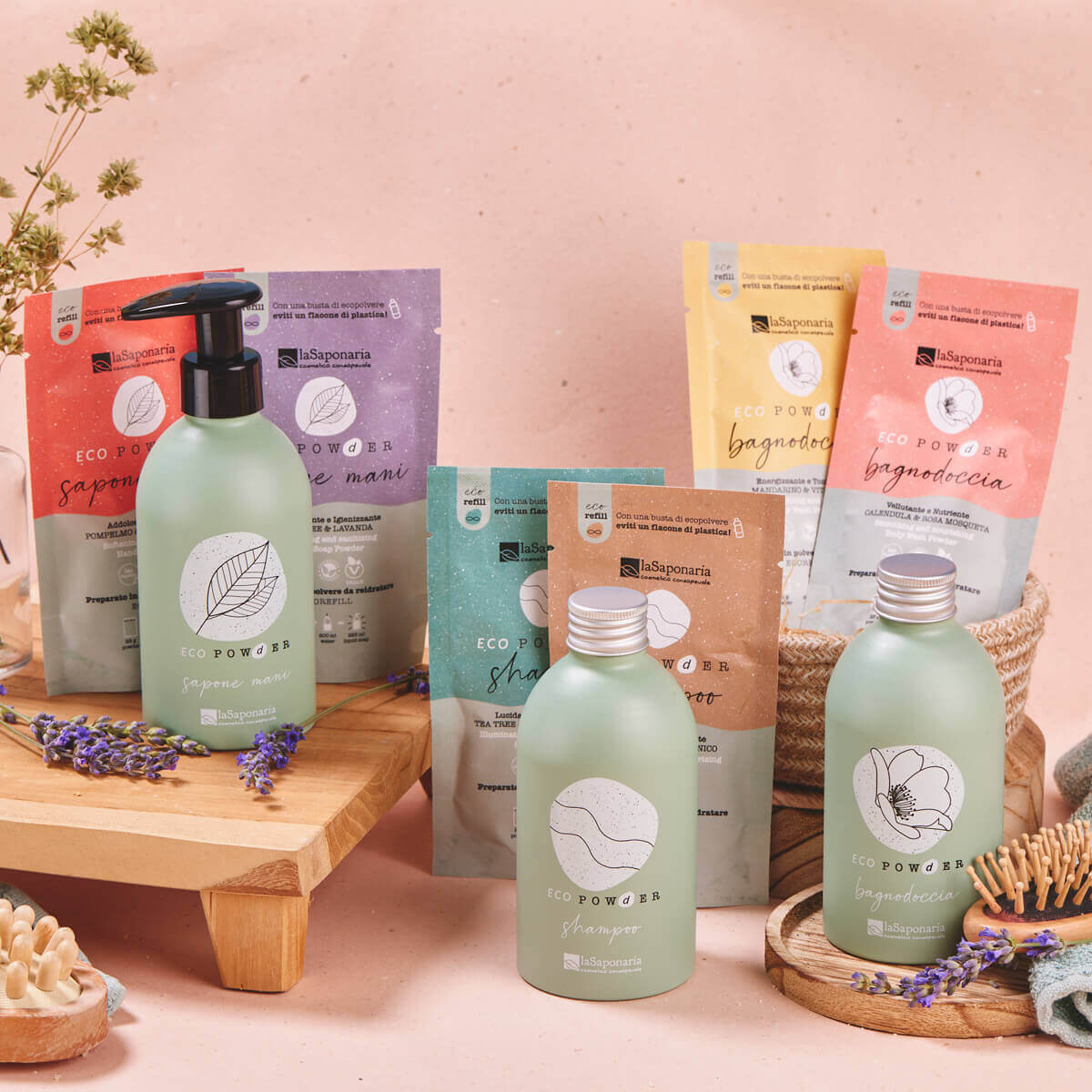
#### [Discover the Ecopowder line!](https://www.la-saponaria.com/powder-cleansers)
- [PROMOTIONS](https://www.la-saponaria.com/special-offers)
[ PROMOTIONS](https://www.la-saponaria.com/special-offers)
- [GIFT IDEAS](https://www.la-saponaria.com/gift-ideas)
[ GIFT IDEAS](https://www.la-saponaria.com/gift-ideas)
- [DIY cosmetics](https://www.la-saponaria.com/diy-cosmetics)
- - space
- - [DIY COSMETICS KITS](https://www.la-saponaria.com/diy-cosmetics-kits)
[DIY COSMETICS KITS](https://www.la-saponaria.com/diy-cosmetics-kits)
- [FUNCTIONAL AND ACTIVE INGREDIENTS](https://www.la-saponaria.com/functional-and-active-ingredients-)
[FUNCTIONAL AND ACTIVE INGREDIENTS](https://www.la-saponaria.com/functional-and-active-ingredients-)
- - [OILS, BUTTERS AND WAXES](https://www.la-saponaria.com/oils-butters-and-waxes)
[OILS, BUTTERS AND WAXES](https://www.la-saponaria.com/oils-butters-and-waxes)
- [Emulsifers and thickeners](https://www.la-saponaria.com/emulsifers-and-thickeners)
[Emulsifers and thickeners](https://www.la-saponaria.com/emulsifers-and-thickeners)
- - [HYDROLATES](https://www.la-saponaria.com/hydrolates)
[HYDROLATES](https://www.la-saponaria.com/hydrolates)
- [PRESERVATIVES AND SEQUESTRANTS](https://www.la-saponaria.com/preservatives-and-sequestrants)
[PRESERVATIVES AND SEQUESTRANTS](https://www.la-saponaria.com/preservatives-and-sequestrants)
- - [PACKAGING FOR COSMETICS](https://www.la-saponaria.com/packaging-for-cosmetics)
[PACKAGING FOR COSMETICS](https://www.la-saponaria.com/packaging-for-cosmetics)
- PRODUCTION TOOLS
[PRODUCTION TOOLS](https://www.la-saponaria.com/production-tools)
- [DIY RECIPES](https://www.la-saponaria.com/do-it-yourself-recipes)
[DIY RECIPES](https://www.la-saponaria.com/do-it-yourself-recipes)
- - DOWNLOAD THE RECIPES
#### [download the recipes](https://blog.lasaponaria.it/scarica-l-approfondimento-sui-nuovi-prodotti-diy)
- [Collections](https://www.la-saponaria.com/collections)
- - space
- - Constitutional - Face
[Constitutional - Face](https://www.la-saponaria.com/constitutional-face-line)
- Impure Skin - Face
[Impure Skin - Face](https://blog.lasaponaria.it/face-care-impure-skin)
- pure actives - face
[pure actives - face](https://www.la-saponaria.com/pure-actives)
- wonder pop - face
[wonder pop - face](https://www.la-saponaria.com/wonder-pop-solid-face-cosmetics)
- wow - eyes
[wow - eyes](https://www.la-saponaria.com/wow-eyes-line)
- wondermask - face
[wondermask - face](https://www.la-saponaria.com/wondermask-line)
- bbcream - face
[bbcream - face](https://www.la-saponaria.com/bb-cream-like-a-dream)
- argan - face and body
[argan - face and body](https://www.la-saponaria.com/argan-face-and-body-line)
- bio&smile - oral care
[bio&smile - oral care](https://www.la-saponaria.com/oral-care-bio-smile)
- - flaxseed - hair
[flaxseed - hair](https://www.la-saponaria.com/flaxseed-hair-line)
- inner - hair
[inner - hair](https://www.la-saponaria.com/inner-hair-line)
- hennetica - dyes
[hennetica - dyes](https://www.la-saponaria.com/hennetica-plant-based-dyes)
- Solid butters - body
[Solid butters - body](https://www.la-saponaria.com/solid-body-butters-line)
- radici - body
[radici - body](https://www.la-saponaria.com/radici-body-line)
- Stretch marks
[Stretch marks](https://www.la-saponaria.com/stretch-marks-line)
- fitocell - cellulite
[fitocell - cellulite](https://www.la-saponaria.com/fitocell-cellulite-line)
- ecopowder - body
[ecopowder - body](https://www.la-saponaria.com/ecopowder-line)
- - officinal balms
[officinal balms](https://www.la-saponaria.com/line-officinal-balms)
- le albicoccole - babies
[le albicoccole - babies](https://www.la-saponaria.com/le-albicoccole-baby-care-line)
- ‘osolebio - suncare
[osolebio - suncare](https://www.la-saponaria.com/osolebio-suncare-line)
- sativaction - men
[sativaction - men](https://www.la-saponaria.com/sativaction-men-s-line)
- IN&OUT - INTEGRATORI
[IN&OUT - INTEGRATORI](https://www.la-saponaria.com/inout-beauty-supplements-line)
- DIY
[diy](https://www.la-saponaria.com/diy-cosmetics-line)
- - [Eco-Powder Line](https://www.la-saponaria.com/ecopowder-line)
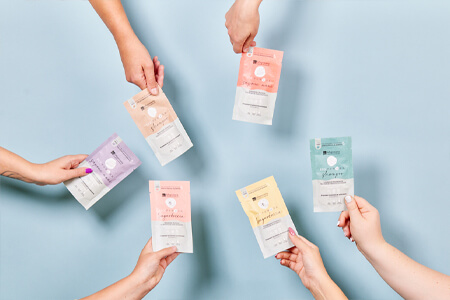
#### [ECO-POWDER LINE](https://www.la-saponaria.com/ecopowder-line)
- PURE ACTIVES
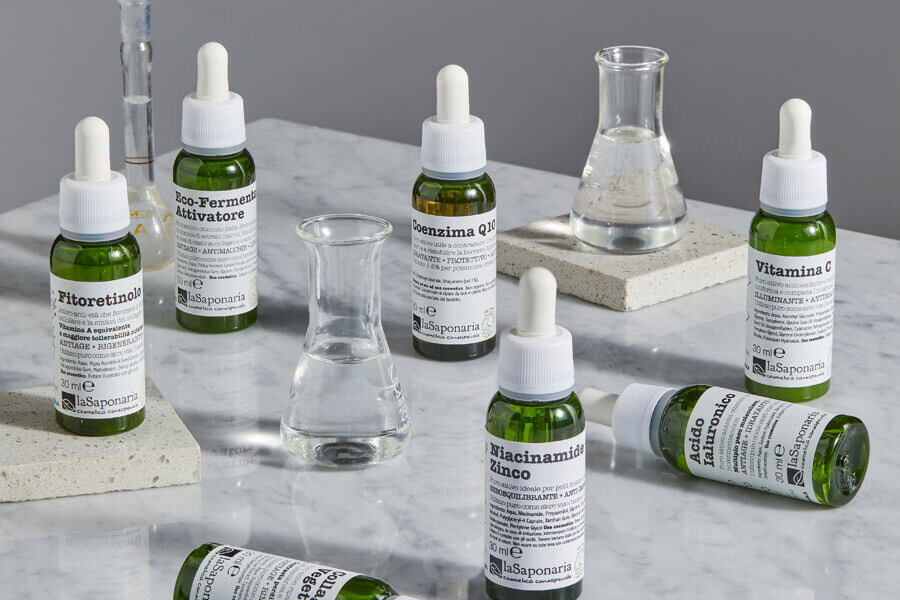
#### [PURE ACTIVES](https://www.la-saponaria.com/pure-actives)
- - EYE LINE - WOW!
#### [EYE LINE - WOW!](https://www.la-saponaria.com/wow-eyes-line)
- FLAXSEED: Hair Line
#### [FLAXSEED: Hair Line](https://www.la-saponaria.com/flaxseed-hair-line)
- [Organic library](https://www.la-saponaria.com/bio-library)
- - BEAUTYBLOG
[ BEAUTYBLOG](https://blog.lasaponaria.it/insights)
- - GLOSSARY
[ glossary](https://www.la-saponaria.com/glossary)
- - DO-IT-YOURSELF RECIPES
[ DO-IT-YOURSELF RECIPES](https://www.la-saponaria.com/do-it-yourself-recipes)
- - Beauty routine
[ BEAUTY ROUTINE](https://www.la-saponaria.com/beauty-routine)
- - TEST AND E-BOOK
[TEST AND E-BOOK](https://www.la-saponaria.com/test-and-e-book)
- [Resellers](https://www.la-saponaria.com/resellers)
- - space
- - BECOME A RESELLER
[ BECOME A RESELLER](https://www.la-saponaria.com/become-a-la-saponaria-reseller)
- - OPEN A FLAGSHIP STORE
[OPEN A FLAGSHIP STORE](https://www.la-saponaria.com/open-a-la-saponaria-flagship-store)
- ACCOMMODATION FACILITIES
[ACCOMMODATION FACILITIES](https://www.la-saponaria.com/accommodation-facilities)
- - RESELLER NEWS
[RESELLER NEWS](https://www.la-saponaria.com/test-ed-e-book)
- RESELLERS LOGIN
[RESELLERS LOGIN](https://www.la-saponaria.com/login?back=my-account)
- [Resellers](https://www.la-saponaria.com/resellers)
- - RESELLERS RESOURCES
[ RESELLERS RESOURCES](https://www.la-saponaria.com/resellers-resources)
- - OPEN A FLAGSHIP STORE
[OPEN A FLAGSHIP STORE](https://www.la-saponaria.com/open-a-la-saponaria-flagship-store)
- ACCOMMODATION FACILITIES
[ACCOMMODATION FACILITIES](https://www.la-saponaria.com/accommodation-facilities)
- PROMOTIONAL MATERIAL
[PROMOTIONAL MATERIAL](https://www.la-saponaria.com/promotional-material)
- - RESELLERS NEWS
[RESELLERS NEWS](https://blog.lasaponaria.it/rivenditori)
- REGISTER YOUR SHOP
[REGISTER YOUR SHOP](https://www.la-saponaria.com/register-your-shop)
- [Private Label](https://www.la-saponaria.com/private-label)
- [Home](http://www.lasaponaria.it/)
- >
- [The insights of La Saponaria](https://blog.lasaponaria.it/en/insights)
- >
- Curly hair: a complete guide to a simple, conscious routine
# The insights of La Saponaria
Hair care
# Curly hair: a complete guide to a simple, conscious routine
[](https://blog.lasaponaria.it/en/insights/curly-hair-a-complete-guide-to-a-simple-conscious-routine)
Curly hair isn’t “difficult” — it’s intelligent. It follows its own logic, moves to its own rhythm, and carries its own memory. Once you learn to truly listen to it, it stops feeling like a mystery and becomes a pure expression of personality. In this guide, we’ll explore how to care for your curls in a way that feels simple, natural, and intentional — building a routine that works with your hair, not against it.
Here’s what you’ll find in this article:
- [Understanding your curls: the first act of love](https://blog.lasaponaria.it/en/insights/curly-hair-a-complete-guide-to-a-simple-conscious-routine#H1)
- [Curl types: from soft waves to tight coils](https://blog.lasaponaria.it/en/insights/curly-hair-a-complete-guide-to-a-simple-conscious-routine#H1.1)
- [The elasticity test: how resilient are your curls? ](https://blog.lasaponaria.it/en/insights/curly-hair-a-complete-guide-to-a-simple-conscious-routine#H1.2)
- [The porosity test: do they absorb or resist?](https://blog.lasaponaria.it/en/insights/curly-hair-a-complete-guide-to-a-simple-conscious-routine#H1.3)
- [The origins of curls: biology, climate, and culture](https://blog.lasaponaria.it/en/insights/curly-hair-a-complete-guide-to-a-simple-conscious-routine#H1.4)
- [Our recommended curly hair routine](https://blog.lasaponaria.it/en/insights/curly-hair-a-complete-guide-to-a-simple-conscious-routine#H2)
- [1. Gentle cleansing (even frequently)](https://blog.lasaponaria.it/en/insights/curly-hair-a-complete-guide-to-a-simple-conscious-routine#H2.1)
- [Organic Extra Virgin Shampoo](https://blog.lasaponaria.it/en/insights/curly-hair-a-complete-guide-to-a-simple-conscious-routine#H2.1A)
- [2. Anti-frizz hydration boost (1–2 times a week)](https://blog.lasaponaria.it/en/insights/curly-hair-a-complete-guide-to-a-simple-conscious-routine#H2.2)
- [Anti-Frizz Hair Mask](https://blog.lasaponaria.it/en/insights/curly-hair-a-complete-guide-to-a-simple-conscious-routine#H2.2A)
- [3. Daily nourishment and protection](https://blog.lasaponaria.it/en/insights/curly-hair-a-complete-guide-to-a-simple-conscious-routine#H2.3)
- [Anti-Frizz Leave-In Conditioner](https://blog.lasaponaria.it/en/insights/curly-hair-a-complete-guide-to-a-simple-conscious-routine#H2.3A)
- [4. Natural Definition and Styling](https://blog.lasaponaria.it/en/insights/curly-hair-a-complete-guide-to-a-simple-conscious-routine#H2.4)
- [Curl Defining Cream](https://blog.lasaponaria.it/en/insights/curly-hair-a-complete-guide-to-a-simple-conscious-routine#H2.4A)
- [The Techniques that make the difference: Plopping & Scrunching](https://blog.lasaponaria.it/en/insights/curly-hair-a-complete-guide-to-a-simple-conscious-routine#H2A)
- [Drying: Air or Diffuser?](https://blog.lasaponaria.it/en/insights/curly-hair-a-complete-guide-to-a-simple-conscious-routine#H2B)
- [Refreshing curls on the days after](https://blog.lasaponaria.it/en/insights/curly-hair-a-complete-guide-to-a-simple-conscious-routine#H2C)
- [Ingredients that love curly hair](https://blog.lasaponaria.it/en/insights/curly-hair-a-complete-guide-to-a-simple-conscious-routine#H3)
- [Aloe Vera: the water magnet](https://blog.lasaponaria.it/en/insights/curly-hair-a-complete-guide-to-a-simple-conscious-routine#H3.1)
- [Oat Extract: gentle comfort and protection](https://blog.lasaponaria.it/en/insights/curly-hair-a-complete-guide-to-a-simple-conscious-routine#H3.2)
- [Flax Seeds: natural definition](https://blog.lasaponaria.it/en/insights/curly-hair-a-complete-guide-to-a-simple-conscious-routine#H3.3)
- [Plant Oils: nourish and seal](https://blog.lasaponaria.it/en/insights/curly-hair-a-complete-guide-to-a-simple-conscious-routine#H3.4)
- [In conclusion…](https://blog.lasaponaria.it/en/insights/curly-hair-a-complete-guide-to-a-simple-conscious-routine#H4)
# Understanding your curls: the first act of love
Before we talk about products or techniques, there’s one essential question to answer: what kind of curl do you have? Not all curls are the same, and treating them as if they were is the first mistake that leads to frizz, dryness, and spirals that fall flat after just a few hours.
## **Curl types: from soft waves to tight coils**
The most common classification divides curls into three main families:
- Wavy (2A, 2B, 2C): waves that range from loose and subtle to more defined.
- Curly (3A, 3B, 3C): elastic spirals, from wide loops to tighter corkscrews.
- Coily (4A, 4B, 4C): very tight, dense curls with a more delicate structure.
This isn’t a competition about who has the “perfect” curl. It’s simply a map to help you navigate your routine. The tighter the spiral, the more likely the hair is to feel dry. The reason is both simple and fascinating: the spiral shape makes it difficult for natural sebum to travel from the roots down to the ends. The result? Lengths that are constantly “hungry” for nourishment.
That’s why curly hair needs special care — not because it’s demanding, but because of its structure.
## **The elasticity test: how resilient are your curls?**
Take a clean, slightly damp strand and gently stretch it between your fingers.
- If it stretches and then springs back into shape, your elasticity is excellent.
- If it snaps immediately, your hair likely needs more hydration.
- If it stretches too much and stays limp, it may need more strength and structure.
Elasticity is the secret behind definition. A healthy curl springs — it doesn’t break.
## **The porosity test: do they absorb or resist?**
Place a strand of hair in a glass of water.
- If it floats for a long time, you have low porosity hair — it struggles to absorb moisture.
- If it sinks immediately, it’s highly porous — it absorbs everything, but loses it just as quickly.
Curly hair often falls into the medium-to-high porosity range. This means it thrives on balance: water first, then oils or butters to seal everything in.
## **The origins of curls: biology, climate, and culture**
Curly hair — especially coily textures — evolved as a natural response to equatorial climates. The spiral structure creates tiny air pockets that help protect the scalp from intense heat and provide a natural barrier against UV rays. It’s not just aesthetics; it’s natural engineering.
Over time, different cultures developed specific rituals to care for textured hair:
- In Sub-Saharan Africa, shea butter and protective braids helped maintain hydration and shield the hair.
- In India, warm oil treatments with amla, brahmi, or coconut oil became an Ayurvedic ritual to nourish and soothe.
- In parts of the Middle East, henna and black soap were used to strengthen the fiber.
What do these traditions teach us? That curls have always needed added lipids, water, and ritual. Curly hair is an ecosystem — and it thrives on the right balance.
# Our recommended curly hair routine
Here’s the complete routine we recommend for curls that feel elastic, defined, and luminous — crafted with the finest organic ingredients and a mindful approach to haircare.
## **1. Gentle cleansing (even frequently)**
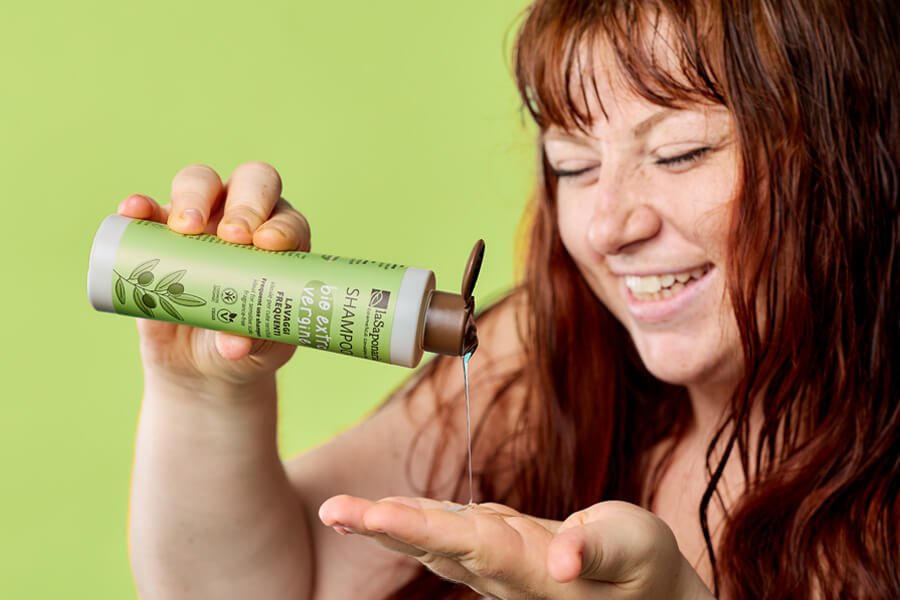
### Organic Extra Virgin Shampoo
The first step is a simple, honest gesture that respects the natural structure of your curls.
This certified organic, neutral shampoo cleanses delicately without stressing the hair fiber, thanks to surfactants derived from sugars and fruit.
Why it works beautifully for curls:
- Organic extra virgin olive oil nourishes without weighing hair down
- Organic flax seed extract helps maintain elasticity
- Moringa extract shields against environmental stressors
- Suitable for frequent washing and sensitive scalps
**How to use:** Massage only into the scalp and allow the lather to glide through the lengths. No rubbing needed.
## **2. Anti-frizz hydration boost (1–2 times a week)**
### Anti-Frizz Hair Mask
When curls are thirsty, they need deep replenishment. This mask acts as a true plumping and smoothing treatment.
What it does for your curls:
- Hyaluronic acid hydrates and maintains flexibility
- Organic aloe, carrot, and sunflower restore softness
- Fruit-derived AHAs help counteract limescale buildup and dullness
- A slightly acidic pH seals the cuticles and reduces frizz
**How to use:** Apply to towel-dried lengths, detangle gently with your fingers or a wide-tooth comb, and leave on for at least 5 minutes (longer for a more intensive treatment).
## **3. Daily nourishment and protection**
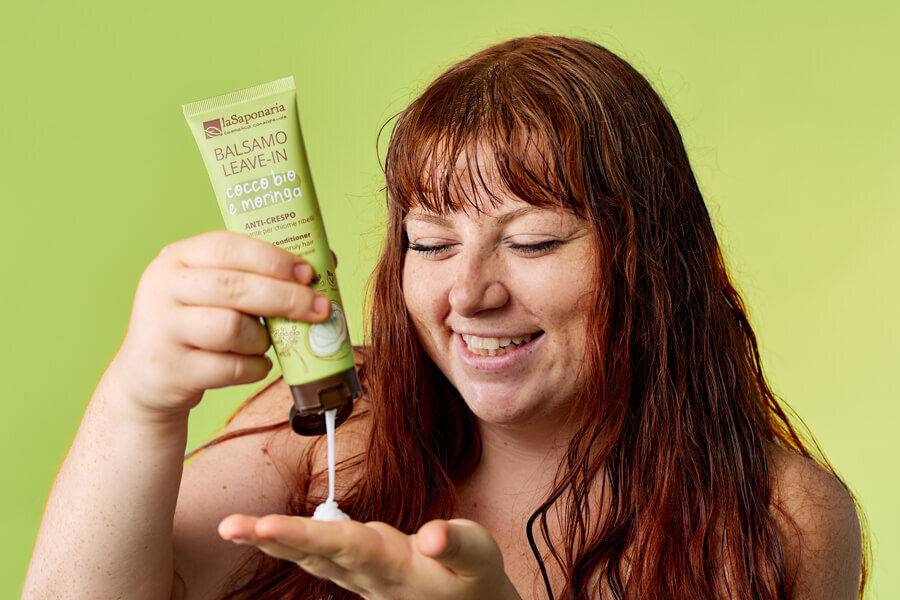
### Anti-Frizz Leave-In Conditioner
After washing — and even on the days in between — curls need ongoing nourishment and protection.
Its key allies:
- Organic coconut oil for elasticity and softness
- Organic flax and shea butter to strengthen and smooth
- Moringa extract to protect and fortify
**How to use:** Apply a small amount to damp or dry lengths, focusing on the ends. It helps keep the cuticles sealed and prevents frizz throughout the day.
## **4. Natural Definition and Styling**
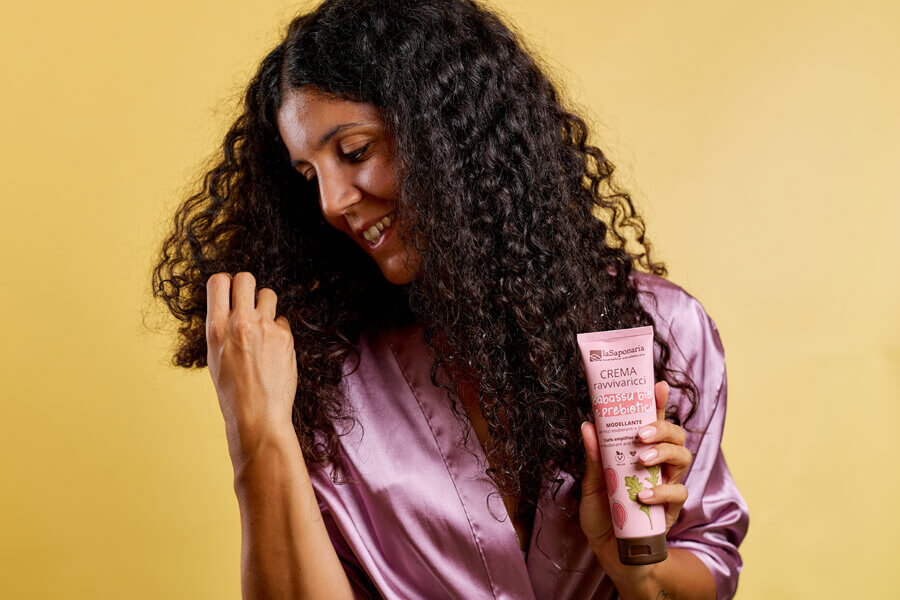
### Curl Defining Cream
This is where the magic happens.
A lightweight leave-in cream that shapes, smooths, and softly sets curls without any crunchy residue.
The active blend:
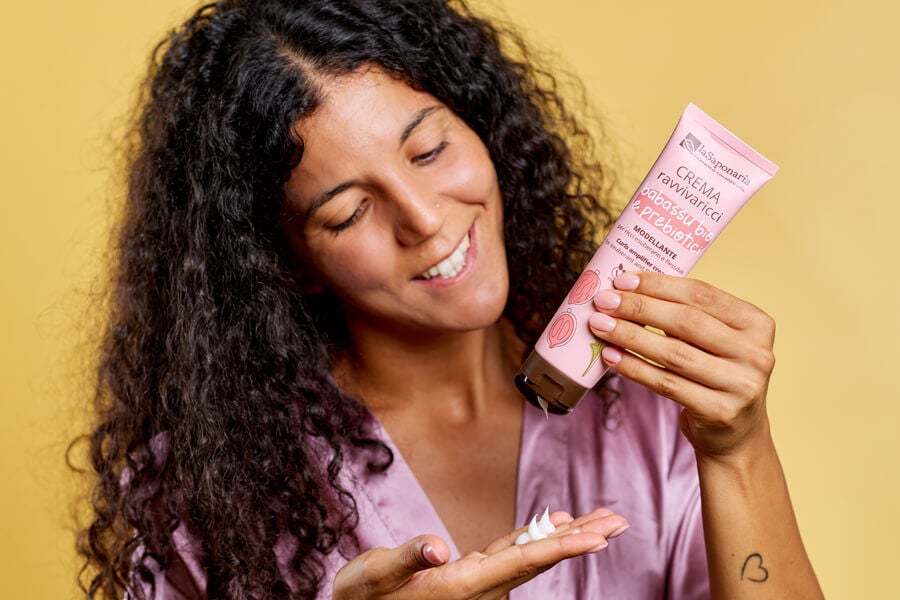
- Babassu oil to nourish and discipline
- Chicory-derived prebiotic to rebalance
- Aloe and hydrosaccharides for deep hydration
- Fenugreek (methi) for shine and silkiness
**How to use:** Apply to very wet hair. Distribute using the “praying hands” method, then scrunch gently from the bottom upward.
Let your curls air-dry, or use a diffuser on low heat for soft, natural volume.
### **The Techniques that make the difference: Plopping & Scrunching**
Products matter — but so do your gestures.
**Scrunching** is the simple act of gently squeezing the hair from the ends upward to encourage the curl pattern to form. Do it with your head flipped upside down and your hair still very wet. It’s a small movement, but it helps the spiral remember its shape.
**Plopping**, on the other hand, means wrapping your hair in a cotton T-shirt (never a terry towel). Cotton absorbs excess water without disrupting the curl structure. Just 15–20 minutes is enough to reduce frizz and enhance definition.
### **Drying: Air or Diffuser?**
Air-drying is always a beautiful option — if you have the time.
If not, use a diffuser on low heat and low speed. Keep the dryer relatively still and lift sections of hair upward toward the scalp, rather than blasting them with direct airflow.
And most importantly: avoid touching your hair too much while it dries. Curls need stillness to set and stabilize.
### **Refreshing curls on the days after**
Curly hair rarely loves daily washing. To revive it, lightly mist the lengths with water, apply a small amount of leave-in conditioner, and scrunch gently to reactivate the pattern.
If needed, seal the ends with a few drops of a lightweight plant oil.
The result? Curls that feel elastic and alive again — without starting your routine from scratch.
# Ingredients that love curly hair
Behind every good routine lies a selection of functional ingredients chosen with intention and care.
## **Aloe Vera: the water magnet**
Aloe is a natural source of hydration. Its complex sugars help hold water inside the hair fiber, making curls more elastic and springy.
A well-hydrated curl is a curl that resists breakage and keeps its vitality.
## **Oat Extract: gentle comfort and protection**
Oat is an exceptional ingredient for delicate and dry hair. Soothing and softening, it helps protect the fiber and improves manageability.
For curly hair — which tends to be more fragile — it works like a daily, calming touch.
## **Flax Seeds: natural definition**
Flax seeds are widely known for their natural gel properties. They form a lightweight film that defines curl patterns without stiffness.
They’re ideal for those who want curls that feel more compact in shape but still soft to the touch.
## **Plant Oils: nourish and seal**
This is where the essential balance between water and lipids comes into play.
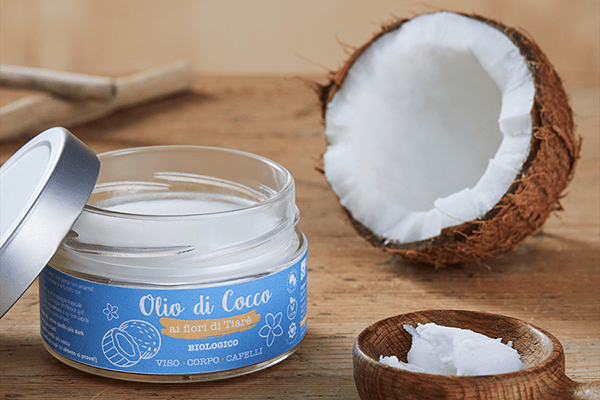
Coconut oil is one of the few oils capable of penetrating the hair shaft and binding to keratin, helping reduce protein loss during washing. It acts like an internal reinforcement structure.
Shea butter, richer and more structured, works like a protective coat — sealing in hydration and shielding hair from external humidity that can cause frizz.
Extra virgin olive oil, the star ingredient in our Organic Extra Virgin Shampoo, adds softness and nourishment while respecting the natural physiology of the hair fiber.
**In Summary: What Curly Hair Truly Needs**
- Water for elasticity
- Oils and butters to retain moisture
- Strengthening ingredients to support the curl structure
When these three elements are in balance, curls find their natural harmony.
#### In conclusion…
Caring for curly hair isn’t about taming it — it’s about understanding it. It’s a journey built on listening, making small adjustments, and choosing with awareness.
With a simple routine, natural ingredients, and the right products, your curls can become your most authentic signature. And no, it’s not magic — it’s knowledge turning into beauty.
[](https://lasaponaria.typeform.com/to/r6kAPNsj)
.png)
### Written by Elisa
Elisa is La Saponaria’s Beauty Expert. She’s the perfect person to identify the right advice for everyone. Facial and body skin—as well as even the most demanding or hard-to-manage hair—hold no secrets for her.
**Tags:** [Hair care](https://blog.lasaponaria.it/en/insights/tag/hair-care)
Facebook
Twitter
Whatsapp
[Mail](mailto:?subject=Curly%20hair:%20a%20complete%20guide%20to%20a%20simple,%20conscious%20routine&body=Check%20out%20this%20site:%20https://blog.lasaponaria.it/en/insights/curly-hair-a-complete-guide-to-a-simple-conscious-routine)
[Vitamin C for the Body: discover its antioxidant power for body skin in natural skincare](https://blog.lasaponaria.it/en/insights/vitamin-c-for-the-body-discover-its-antioxidant-power-for-body-skin-in-natural-skincare)
[The Best Intimate Cleanser for Every Stage of Life: Advice from Gynecologist Monica Calcagni](https://blog.lasaponaria.it/en/insights/en/insights/the-best-intimate-cleanser-for-every-stage-of-life-advice-from-gynecologist-monica-calcagni)
Leave a comment
All comments
You might be interested in
### Search the blog
This is a search field with an auto-suggest feature attached.
- There are no suggestions because the search field is empty.
### All the categories
- [Insights (91)](https://blog.lasaponaria.it/en/insights/tag/insights)
- [Skin care (30)](https://blog.lasaponaria.it/en/insights/tag/skin-care)
- [Hair care (29)](https://blog.lasaponaria.it/en/insights/tag/hair-care)
- [Body care (13)](https://blog.lasaponaria.it/en/insights/tag/body-care)
- [Beauty routine (11)](https://blog.lasaponaria.it/en/insights/tag/beauty-routine)
- [News (11)](https://blog.lasaponaria.it/en/insights/tag/news)
- [Cura del corpo (8)](https://blog.lasaponaria.it/en/insights/tag/cura-del-corpo)
- [Solari (7)](https://blog.lasaponaria.it/en/insights/tag/solari)
- [Facial Care (6)](https://blog.lasaponaria.it/en/insights/tag/facial-care)
- [Zero waste (6)](https://blog.lasaponaria.it/en/insights/tag/zero-waste)
- [fragrance mists (6)](https://blog.lasaponaria.it/en/insights/tag/fragrance-mists)
- [Cura dei capelli (5)](https://blog.lasaponaria.it/en/insights/tag/cura-dei-capelli)
- [Cura del viso (5)](https://blog.lasaponaria.it/en/insights/tag/cura-del-viso)
- [Guide to ingredients (5)](https://blog.lasaponaria.it/en/insights/tag/guide-to-ingredients)
- [Guida agli ingredienti (4)](https://blog.lasaponaria.it/en/insights/tag/guida-agli-ingredienti)
- [Hair Scalp (4)](https://blog.lasaponaria.it/en/insights/tag/hair-scalp)
- [Natural Make-Up (4)](https://blog.lasaponaria.it/en/insights/tag/natural-make-up)
- [Plastic free (4)](https://blog.lasaponaria.it/en/insights/tag/plastic-free)
- [Ingredients guide (3)](https://blog.lasaponaria.it/en/insights/tag/ingredients-guide)
- [Pure Actives (3)](https://blog.lasaponaria.it/en/insights/tag/pure-actives)
- [Solar (3)](https://blog.lasaponaria.it/en/insights/tag/solar)
- [White Hair (2)](https://blog.lasaponaria.it/en/insights/tag/white-hair)
- [sunscreen (2)](https://blog.lasaponaria.it/en/insights/tag/sunscreen)
- [Ingredient guide (1)](https://blog.lasaponaria.it/en/insights/tag/ingredient-guide)
- [Massage (1)](https://blog.lasaponaria.it/en/insights/tag/massage)
- [Mature skin (1)](https://blog.lasaponaria.it/en/insights/tag/mature-skin)
- [Natural dyes and henna (1)](https://blog.lasaponaria.it/en/insights/tag/natural-dyes-and-henna)
- [Pregnancy (1)](https://blog.lasaponaria.it/en/insights/tag/pregnancy)
- [Solid cosmetic (1)](https://blog.lasaponaria.it/en/insights/tag/solid-cosmetic)
- [Tinte naturali e henné (1)](https://blog.lasaponaria.it/en/insights/tag/tinte-naturali-e-henné)
- [dandruff (1)](https://blog.lasaponaria.it/en/insights/tag/dandruff)
Find out more
### the most read articles
[](https://blog.lasaponaria.it/en/insights/acid-rinse-what-it-is-and-how-to-do-it-to-have-shiny-and-tidy-hair)
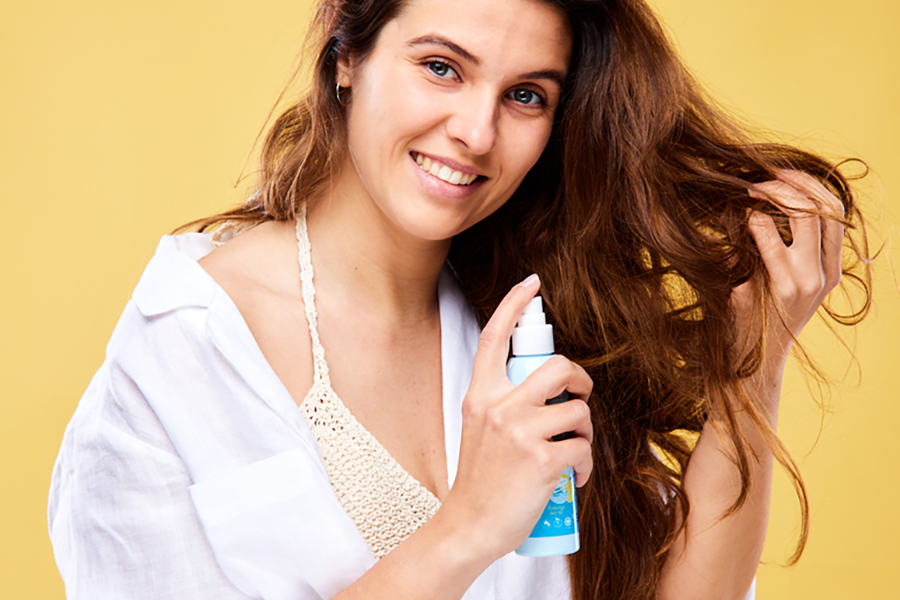
## [Acid rinse: what it is and how to do it to have glowing and tidy hair](https://blog.lasaponaria.it/en/insights/acid-rinse-what-it-is-and-how-to-do-it-to-have-shiny-and-tidy-hair)
[](https://blog.lasaponaria.it/en/insights/inci-lists-how-to-read-them-and-all-the-useful-tools-to-decipher-them)
## [INCI lists: how to read them and all the useful tools to decipher them](https://blog.lasaponaria.it/en/insights/inci-lists-how-to-read-them-and-all-the-useful-tools-to-decipher-them)
[](https://blog.lasaponaria.it/en/insights/vegetable-keratin-for-strong-shiny-and-frizz-free-hair.-what-is-it-and-how-to-use-it)
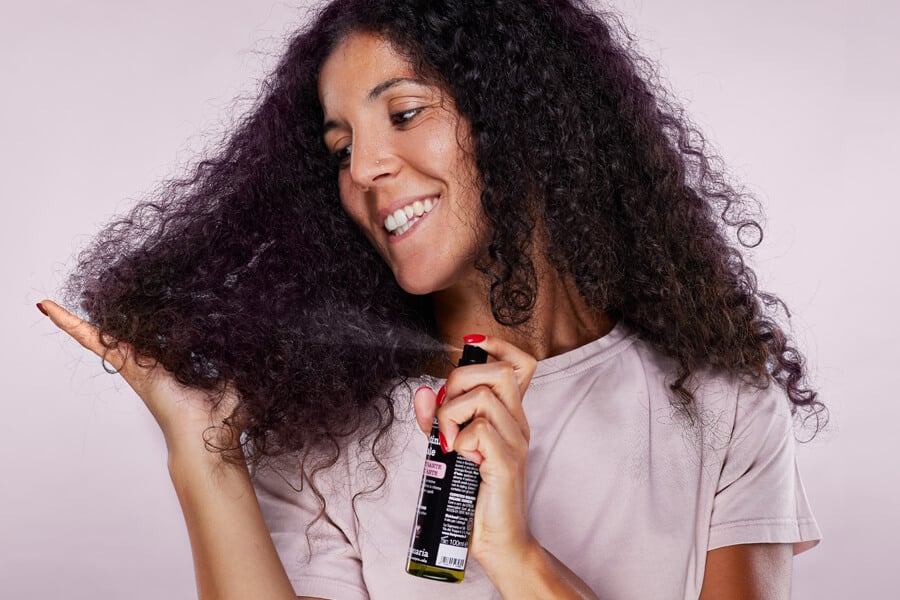
## [Vegetable Keratin for strong, shiny, and frizz-free hair. What is it and how to use it?](https://blog.lasaponaria.it/en/insights/vegetable-keratin-for-strong-shiny-and-frizz-free-hair.-what-is-it-and-how-to-use-it)
[](https://blog.lasaponaria.it/en/insights/hennè-and-natural-hair-dye-answers-to-the-most-common-questions)
## [Henna and Natural Hair Dye: Answers to the Most Common Questions](https://blog.lasaponaria.it/en/insights/hennè-and-natural-hair-dye-answers-to-the-most-common-questions)
[](https://blog.lasaponaria.it/en/insights/organic-shampoo-what-does-it-mean-and-how-to-choose-the-best-natural-shampoo-to-suit-your-needs)
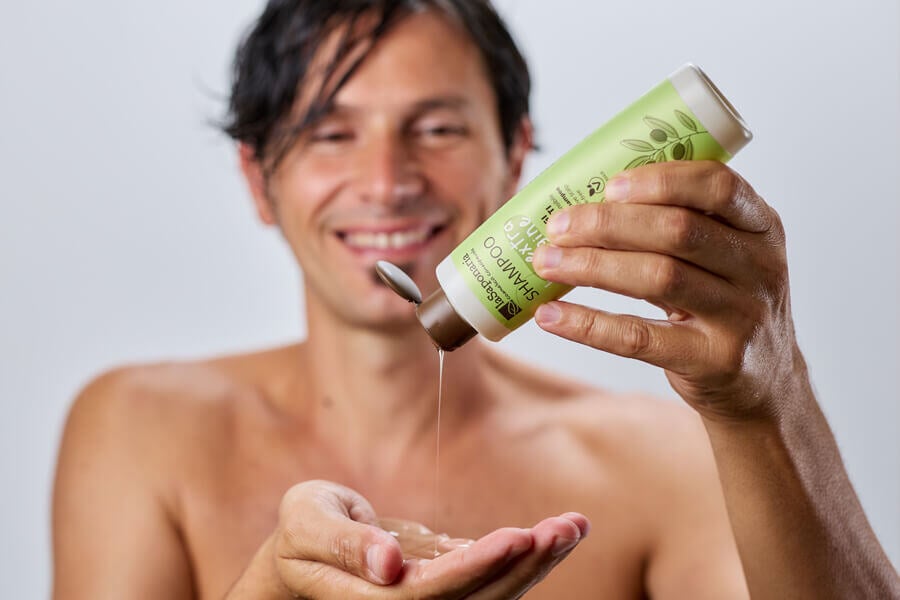
## [Organic shampoo: what does it mean and how to choose the best natural shampoo to suit your needs](https://blog.lasaponaria.it/en/insights/organic-shampoo-what-does-it-mean-and-how-to-choose-the-best-natural-shampoo-to-suit-your-needs)
### [Events Laboratories, digital checkups, courses and consultancy: discover the events of the Biostorie single-brand stores!](https://www.la-saponaria.com/biostorie-flagship-stores)
### [Resellers Become a La Saponaria Reseller and get offers and benefits reserved for you.](https://www.la-saponaria.com/become-a-la-saponaria-reseller)
### [Biostorie - Flagship stores Enter our world: open the La Saponaria flagship store in your city!](https://www.la-saponaria.com/biostorie-flagship-stores)
#### Stay updated on events and products.
#### Subscribe to the newsletter and receive a welcome code!
-
-
-
-
-
#### LA SAPONARIA
- [Philosophy](https://www.la-saponaria.com/philosophy)
- [Sustainability](https://www.la-saponaria.com/sustainability)
- [Sustainable packaging](https://www.la-saponaria.com/sustainable-packaging-)
- [Become our Ambassador](https://www.la-saponaria.com/become-our-ambassador)
- [Blog](https://www.la-saponaria.com/beauty-blog)
- [Accessibility Statement](https://www.la-saponaria.com/accessibility-statement)
#### BUSINESS AREA
- [Become a reseller](https://www.la-saponaria.com/become-a-la-saponaria-reseller)
- [Open a flagship store](https://www.la-saponaria.com/open-a-la-saponaria-flagship-store)
- [Private label cosmetics](https://www.la-saponaria.com/private-label)
- [Accommodation facilities](https://www.la-saponaria.com/accommodation-facilities)
- [G.A.S.](https://www.la-saponaria.com/gruppi-di-acquisto-solidale)
#### CERTIFICATIONS



#### ACCOUNT AND ORDERS
- [My account](https://www.la-saponaria.com/login?back=my-account)
- [Promotions](https://www.la-saponaria.com/special-offers)
- [Nearest shop](https://www.la-saponaria.com/store-locator)
- [FAQ](https://www.la-saponaria.com/faq)
- [Quick order](https://www.la-saponaria.com/quick-order)
- [Conditions of sale](https://www.la-saponaria.com/conditions-of-sale)
#### CONTACT US
From Monday to Friday
09:00 - 13:00 | 15:00 - 17:00
[+39 0721 911 004](tel:0390721911004)
[+39 377 38 44 777](tel:0393773844777)
[info@lasaponaria.it](mailto:info@lasaponaria.it)
[Location and contacts](https://www.la-saponaria.com/contact-us)
    

LA SAPONARIA SRL SOCIETÀ BENEFIT - via Dei Trasporti, 3-5 - Pesaro (PU) - P.IVA/C.F. 02394310417 - Capitale sociale € 90.000,00 IV - Iscritto al registro imprese della CCIAA di Pesaro e Urbino - **[Privacy & Cookie Policy](https://www.lasaponaria.it/privacy-policy)**
```json
{
"@context" : "https://schema.org",
"@type" : "BlogPosting",
"author" : {
"@type" : "Person",
"name" : "Elisa",
"url" : "https://blog.lasaponaria.it/en/insights/author/elisa"
},
"dateModified" : "2026-03-05T15:49:46.833Z",
"datePublished" : "2026-03-05T15:49:32.000Z",
"headline" : "Curly hair: a complete guide to a simple, conscious routine",
"image" : [ "https://blog.lasaponaria.it/hubfs/Crema-ravvivaricci-1.jpg" ],
"mainEntityOfPage" : {
"@id" : "https://blog.lasaponaria.it/en/insights/curly-hair-a-complete-guide-to-a-simple-conscious-routine",
"@type" : "WebPage"
},
"publisher" : {
"@type" : "Organization",
"logo" : {
"@type" : "ImageObject",
"url" : "https://blog.lasaponaria.it/hubfs/Logo%20La%20Saponaria.jpg"
},
"name" : "La Saponaria srl"
}
}
```